


September 2, 2026
How Nature-Inspired Destination Wedding Venues Create Magical Celebrations
Do you want the top wedding venue for your special day? Read this blog about how nature-inspired destination wedding venues create magical celebrations.
Do you want the top wedding venue for your special day? Read this blog about how nature-inspired destination wedding venues create magical celebrations.
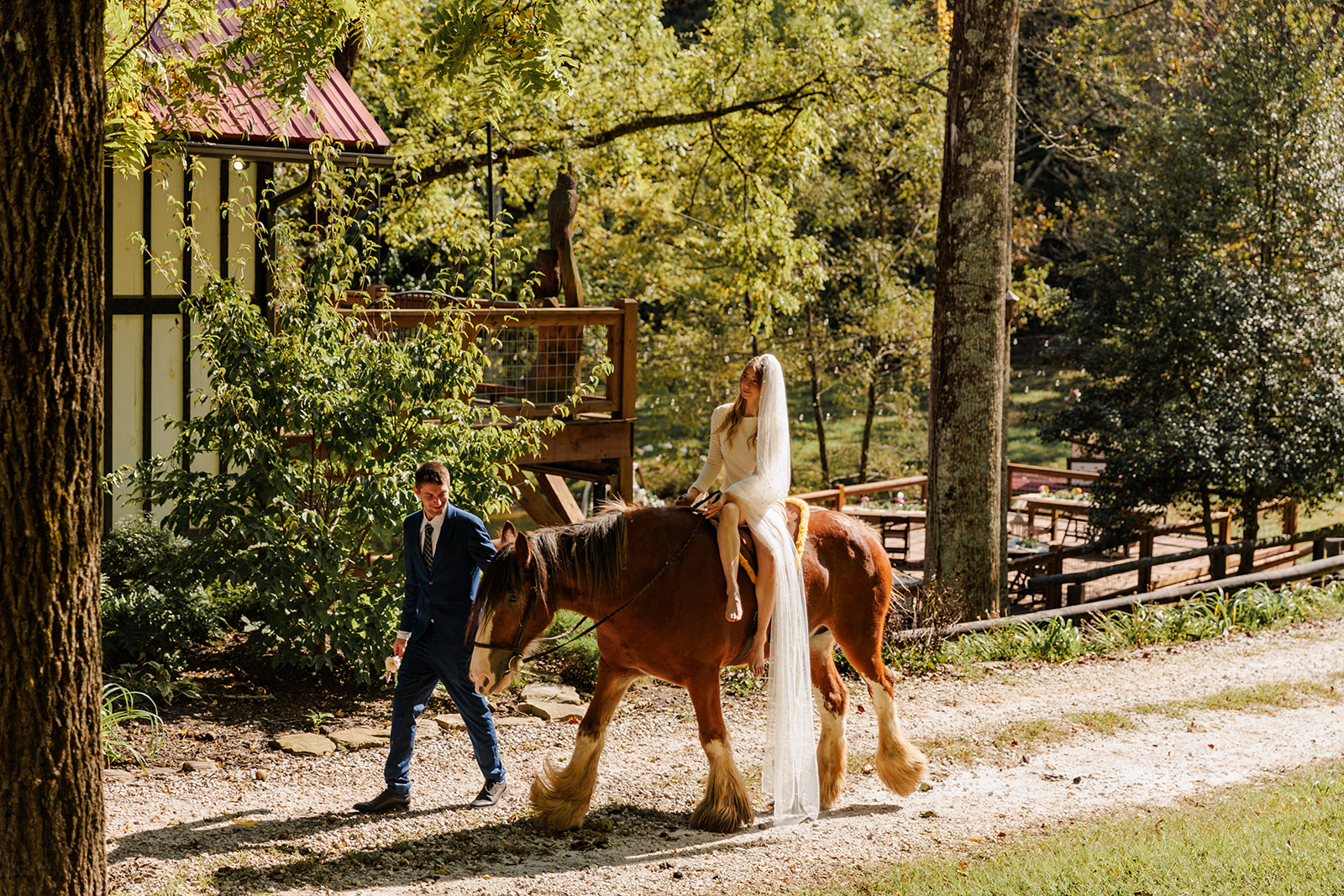
Finding the perfect setting for your special day is often the first and most critical decision in the wedding planning process. Couples today are moving away from traditional ballroom settings in favor of outdoor environments that offer open skies, lush greenery, and sweeping natural vistas. Nature-inspired destinations create a unique blend of organic beauty and romantic ambiance, turning a standard ceremony into an unforgettable experience.
Choosing a top wedding venue that integrates seamlessly with its surrounding environment gives your celebration a distinct sense of place. Whether surrounded by old-growth forests, rolling foothills, or quiet mountain streams, the natural landscape serves as a living backdrop that changes with the light throughout the day. Planning an event in these surroundings requires an understanding of how to work alongside nature rather than trying to control it.
When you choose a top wedding venue rooted in the great outdoors, you invite your guests to step away from the noise of daily life and fully immerse themselves in the celebration. Properties like Satolah Creek Farm offer a tranquil setting where organic landscapes meet thoughtful event infrastructure, allowing couples to celebrate their union in an elevated, nature-focused space.
Fun Fact Did you know? Incorporating natural elements like flowing water, wood textures, and open-air vistas into event spaces triggers a psychological response known as biophilia, which measurably reduces stress levels for both the couple and their guests during the event.
A successful outdoor wedding relies on thoughtful design that enhances the environment without overpowering it. When a venue is built around natural topography, every phase of the day—from the processional to the late-night reception—feels aligned with the landscape.
The best outdoor venues do not compete with their surroundings; they complement them. Architectural structures should feature natural materials such as local timber, exposed stone, and glass panels that frame scenic views. Covered pavilions, timber-frame barns, and open-air pergolas allow guests to stay comfortable while remaining connected to the landscape.
By utilizing warm, organic textures in structural elements, a top wedding venue creates a transition between indoors and outdoors. This continuity makes the entire space feel like a unified sanctuary rather than a collection of separate tents or temporary structures.
Fun Fact Did you know? Outdoor wedding photography often yields higher color depth and softer portraits during the "golden hour"—the hour just before sunset—because natural sunlight filters through tree canopies and mountain ridges to create an automatic, soft-focus diffusion.
Nature provides a built-in production setup that no indoor hall can match. Daylight moves across the terrain, constantly altering the mood and color palette of your surroundings. As dusk falls, strategic lighting design—such as warm string lights woven through tree canopies, subtle path illumination, and soft uplighting on stone structures—can transform a rustic landscape into a glowing evening haven.
Acoustics also play a key role in outdoor events. The ambient sound of rustling leaves, gentle creeks, and open breezes creates a calm, grounding environment. When amplified audio is carefully directed, your vows and music can sound crisp without disrupting the quiet charm of the surrounding wilderness.
Hosting a wedding outdoors requires careful logistics to ensure guests remain comfortable across changing weather conditions and shifting temperatures. Planning allows the focus to remain on the celebration rather than environmental variables.
Designing a cohesive timeline helps move the celebration effortlessly across different areas of the venue. A typical progression flows from an open ceremony lawn featuring sweeping natural views, to a shaded veranda or patio near ambient water features for cocktail hour, and finally into a covered timber pavilion for the evening reception.
Weather is an inherent variable in any outdoor celebration, but it does not have to be a source of stress. Top wedding venues feature built-in contingency options that feel just as intentional as the primary outdoor layout. Rain plans should involve permanent covered structures or high-peak pavilions rather than last-minute tent additions that obscure the view.
Furthermore, proper site flow keeps the event moving naturally. Pathways connecting the ceremony lawn, cocktail lounge, and reception area should be well-lit, clearly marked, and easy to navigate for guests of all ages.
To deeply connect your event to its location, incorporate native flowers, greenery, and regional materials into your design scheme. Utilizing local flora not through heavy arrangements, but through minimalist installations—such as hanging floral installations or low-profile table runners—draws attention to the surrounding landscape.
Your catering choices can also mirror the setting. Partnering with farm-to-table caterers who source seasonal ingredients from nearby farms creates an authentic culinary connection to the area. According to the U.S. Department of Agriculture, you can research regional agricultural practices to understand what produce is in peak season during your wedding month.
More couples are choosing to host multi-day celebrations where guests can relax, explore, and connect over several days rather than a few rushed hours. According to The Knot, 35% of couples choose to have destination weddings within the United States, highlighting a growing desire for accessible yet distinctive getaway destinations.
A top wedding venue located in a scenic destination transforms a single day into an extended weekend retreat. Guests can participate in pre-wedding hikes, welcome dinners under the stars, and post-wedding farewell brunches, all within the same natural region.
Properties situated near mountain trails, quiet rivers, or sprawling acreage provide a private setting away from city noise. Choosing a top wedding venue like Satolah Creek Farm gives couples the freedom to curate a private weekend getaway that reflects their values and aesthetic.
When planning an extended weekend, consider providing a detailed regional guide for your guests. According to the U.S. Forest Service, professionals recommend consulting outdoor safety standards to ensure compliance with environmental guidelines when planning group outdoor activities.
A nature-inspired celebration provides an atmospheric, memorable setting to begin your new chapter together. By choosing a space that honors the natural landscape while offering refined comfort, your wedding becomes an immersive experience for everyone involved.
If you are ready to explore a top wedding venue that brings your vision to life amidst serene, picturesque surroundings, contact Satolah Creek Farm today to schedule a private tour and begin planning your ideal event.
Focus on the practical infrastructure alongside the scenic views. Inspect the quality of the backup covered spaces, the accessibility of rest facilities, lighting along main pathways, parking logistics, and sound restriction policies.
Provide weather-appropriate amenities based on the season. In warmer months, offer shaded seating, handheld fans, and iced water stations. In cooler months, provide patio heaters, warm lap blankets, and hot welcome drinks as guests arrive.
Costs vary widely depending on the venue's existing infrastructure. Venues with built-in pavilions, climate-controlled restrooms, and established power access often keep costs comparable to traditional halls, whereas completely undeveloped sites require hiring external rentals for power, shelter, and sanitation.


